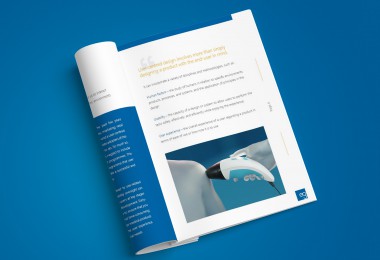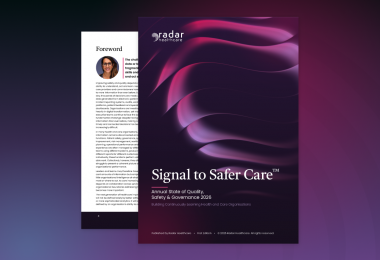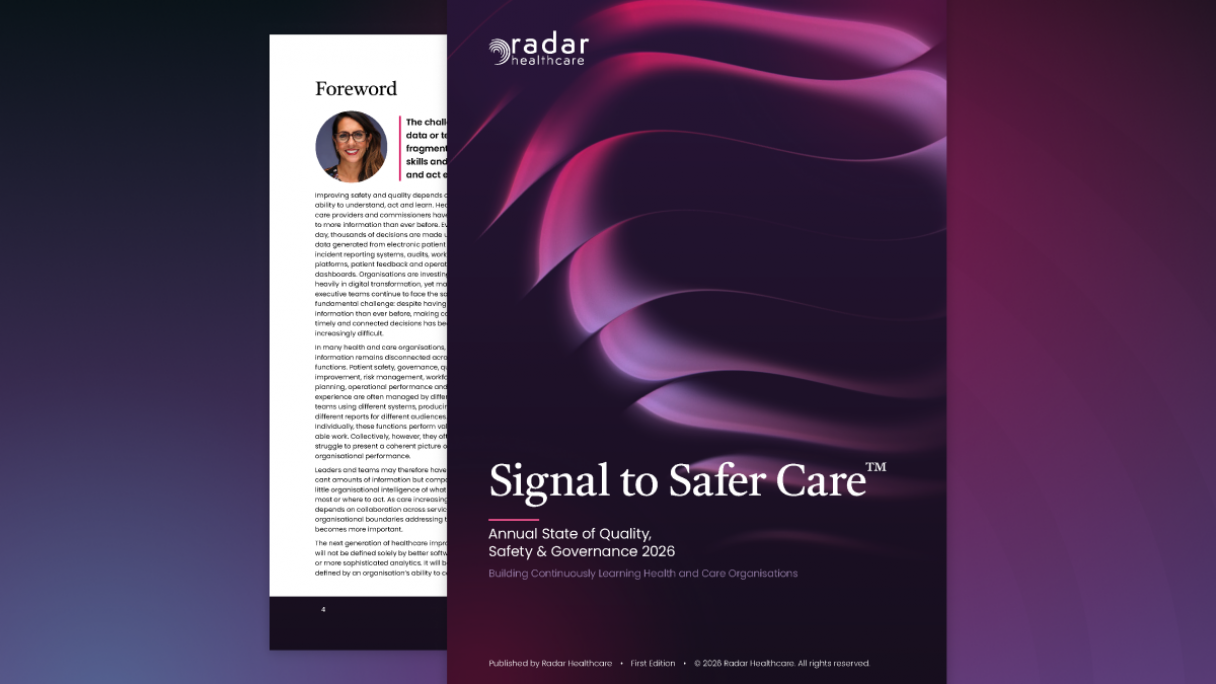
Nearly three quarters (73%) of respondents to Radar Healthcare’s survey say their teams have to manually piece together information from fragmented systems,reports and departments before making strategic decisions, according to Signal to Safer Care™, the inaugural State of Quality, Safety & Governance report from Radar Healthcare.
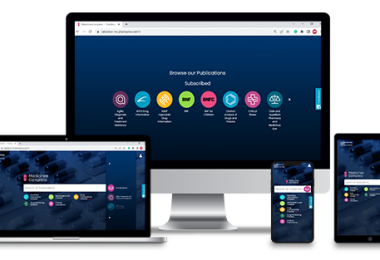
Across health and care, information on patient safety incidents, staffing, complaints, audits andpatient feedback typically sits in separate systems run by different teams.
More than 800,000 patient safety incidents were recorded in England between January and March 2026 alone. When this information is combined manually, figures from different teams canconflict, with staff often spending more time reconciling those differences than deciding what action to take.
Only 10% of respondents said the information they need is well connected across their organisation,with many reporting that they already hold most of the information they need but are unable to see how it is connected.
According to the report, this is where early warning signs can be missed. A rise in patientfalls on a ward, for example, may be logged as a series of safety incidents, while agency staffing levels, complaints about response times and audit resultson mobility assessments each sit with a different team.
Read together, they may help teams spot possible contributing factors earlier and decide where to investigate. Kept apart, those clues can go unnoticed until problems become serious.
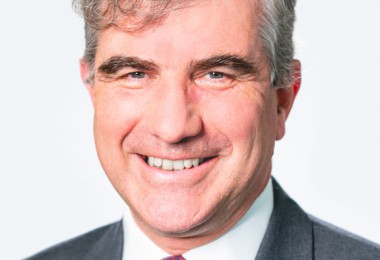
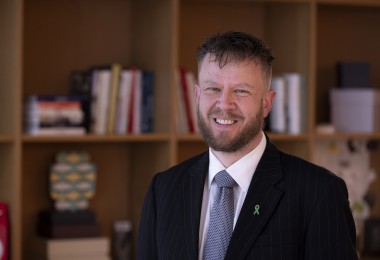
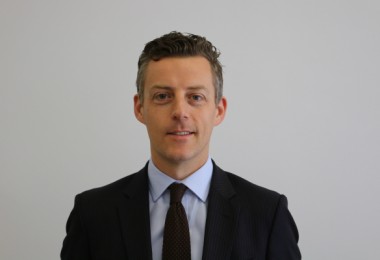
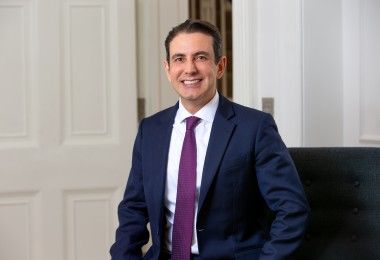
Edward Bellamy, Chief Executive Officer, Radar Healthcare, said: “Healthand care organisations aren’t short of information. The problem is that it sitsin separate systems, so leaders have to piece it together before they can act.That’s time spent assembling the picture rather than responding to it, and inpatient safety, waiting for the full picture is a risk in itself. The answer isto connect the information they already hold, so leaders can spot the warningsigns and act before a patient is harmed.”
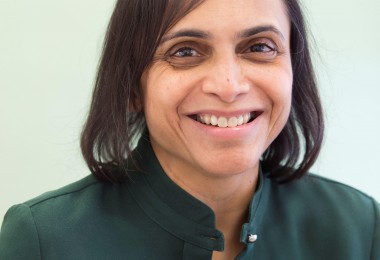
Dr Dominique Allwood MBE, physician and senior healthcare leader, who serves as aNon-Executive Director at Radar Healthcare said: “In many health and care organisations, information remains disconnected acrossfunctions. Patient safety, governance, quality improvement, risk management, workforce planning, operational performance and patient experience are often managed by different teams using different systems, producing different reports for different audiences.
Individually, these functions perform valuable work.Collectively, however, they often struggle to present a coherent picture oforganisational performance.”
The research also found:
· Prediction is thepriority: 27% chose better prediction and prevention ofquality or safety issues as the capability that would create the most valueover the next three years, making it the most popular answer.
· AI readiness islimited: only 36% feel fairly or very prepared to realisemeaningful value from AI in quality, safety and governance. The most commonlycited barriers were information governance and privacy (46%), integrationbetween systems (45%) and data quality (42%).
· Workforce and financeslead the risks: 71% named workforce capacity among their threebiggest risks for the next 12 months, and 60% named financial pressure.
Download the full Signal to Safer Care™ report