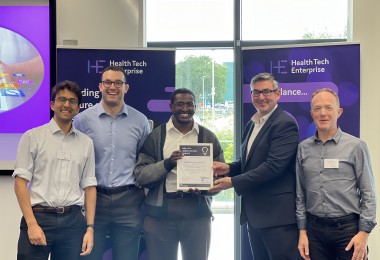
A novel NHS-developed device designed to reduce the potential spread of dangerous drug-resistant bacteria has secured a commercial partner and is moving towards wider deployment in healthcare settings worldwide following support from Health Tech Enterprise (HTE).
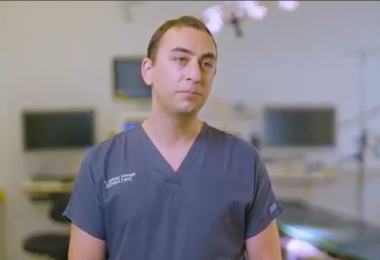
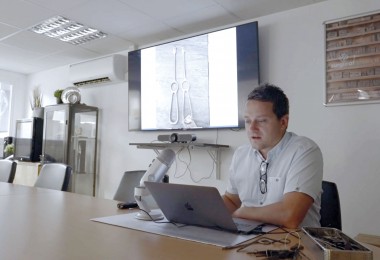
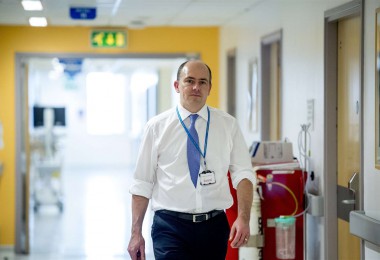
The innovation, known as AseptiFlow, was invented and developed by Dr James Soothill, a Consultant Microbiologist at Great Ormond Street Hospital for Children NHS Foundation Trust (GOSH), and has now been licensed to Mueller Europe Ltd, paving the way for commercial manufacture and adoption across hospitals, care settings and public buildings.
Designed to tackle a hidden but significant source of potential infection transmission, AseptiFlow addresses the growing threat posed by contaminated sink drains, which are increasingly recognised as reservoirs for antimicrobial-resistant bacteria.
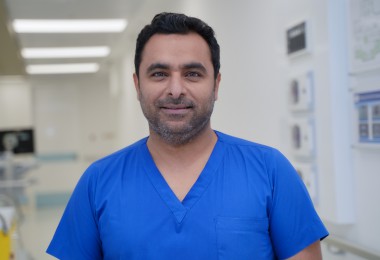
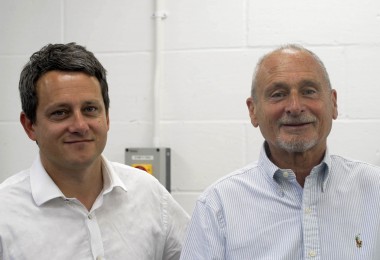
Dr James Soothill said:
"Hospital sinks have increasingly been recognised as reservoirs for multi-drug-resistant bacteria and have been implicated in outbreaks around the world. AseptiFlow was developed as a simple, practical solution to help prevent contaminated droplets from splashing back from sink drains and potentially spreading bacteria.”
The announcement comes as antimicrobial resistance (AMR) continues to rise globally. Without effective intervention, AMR is predicted to cause up to 10 million deaths annually by 2050.
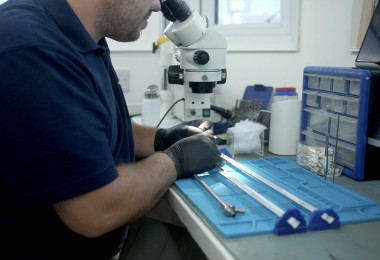
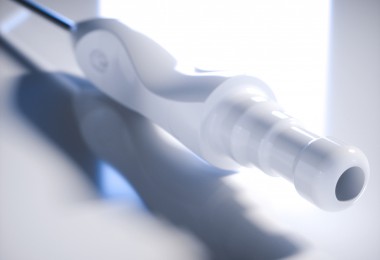
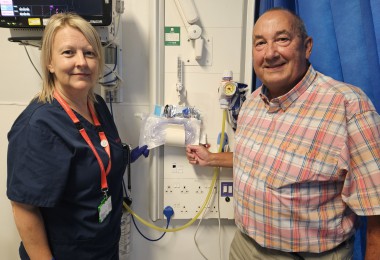
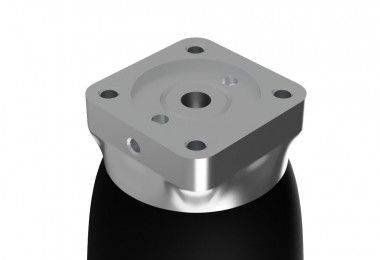
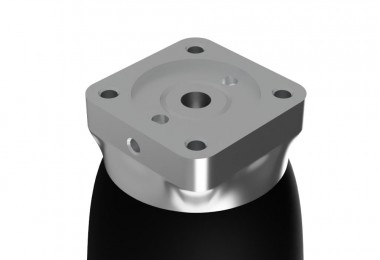
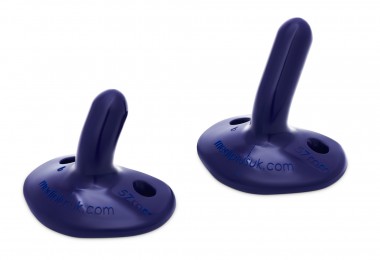
AseptiFlow is a simple copper device that can be retrofitted between a sink outlet and U-bend, preventing contaminated droplets from splashing back into sinks and reducing opportunities for bacteria to spread.
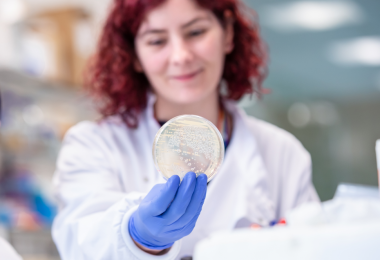
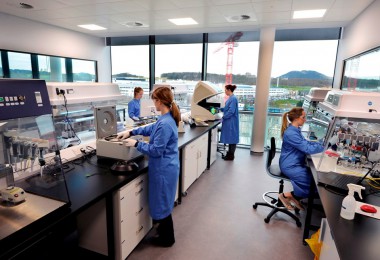
Laboratory studies and a blinded randomised trial at Great Ormond Street Hospital demonstrated significantly lower levels of harmful bacteria in sinks fitted with the device compared with standard sinks.
HTE supported the innovation from early development through to commercialisation, providing market assessment, intellectual property support, funding advice, grant application support and commercial partner engagement. The organisation also helped secure funding through the Knowledge Asset Grant Fund to support clinical evaluation of the technology.
Karen Law, Head of Innovation at Health Tech Enterprise, added:
"Antimicrobial resistance is one of the greatest healthcare challenges facing the world today. AseptiFlow is a simple but potentially transformative innovation that addresses a recognised source of bacterial transmission.
"We are proud to have supported the project from early-stage evaluation through to licensing. This is exactly the kind of innovation that demonstrates how NHS expertise, supported by the right commercial and innovation partners, can create solutions with global impact."
Dr David Chapman-Jones, Deputy GOSH Research and Innovation Head of Business Development said:
"The journey of AseptiFlow from clinical observation to a working product, hopefully soon fitted in hospitals world-wide, is an excellent example of how ideas generated by staff on the ground can be developed into solutions to improve patient care.
“At GOSH, collaboration is one of our core values and this plays an important part in developing commercial partnerships that match our ambitions. Business Development at GOSH creates a crucial bridge between researchers, inventors and companies that can turn their ideas into a commercial reality, and we are always open to new partners.”
Initially developed for hospitals, AseptiFlow could also be deployed in care homes, schools, airports, railway stations, hotels, food manufacturing facilities and other high-footfall environments where reducing bacterial transmission is a priority.
With millions of sinks installed across healthcare facilities worldwide, the technology has the potential to become an important new weapon in the fight against antimicrobial resistance.