‘The future of innovation-driven Scottish healthcare is being written today as the building blocks of stronger digital foundations are increasingly placed for a more joined-up system.’
That is the view of leading innovation body InnoScot Health which believes the country is now seeing the benefits of Care in the Digital Age delivery plans, increasingly enabling organisations to take advantage of emerging technologies.
These include the future potential to augment services safely with AI, clinical decision support, and automation, underpinned by trusted, accessible data – but right now it means a fresh ability to lay the foundations for a better health and social care experience for both patients and clinicians across Scotland.
With the Scottish Government pledging “to improve the care and wellbeing of people in Scotland by making best use of digital technologies in the design and delivery of services,” InnoScot Health insists that promise is becoming reality in the drive to make fresh breakthroughs, improve access, and open up information services to patients through digital innovation.
However, it says that, while the building blocks are now in place for a better-connected healthcare system, the real challenge is now to ensure that clinicians have the digitally-enabled tools they need to deliver high-quality care, that they can benefit from streamlined workflows, and robust data can be securely shared.
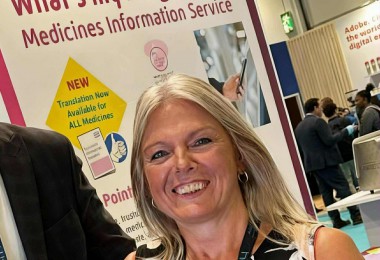
Head of Business Development at InnoScot Health, Frances Ramsay said: “With a solitary company, OneAdvanced, now providing software support to NHS Scotland across primary, secondary and out of hours services, it means that platforms could be bridged like never before with patients and
clinicians reaping the benefits of a better integrated system.
“This foundation for a significantly more joined-up approach also opens up an exciting doorway to
emerging technologies working in tandem and securely sharing vital information, while helping to
bridge gaps between health boards which are at different stages of digital maturity.
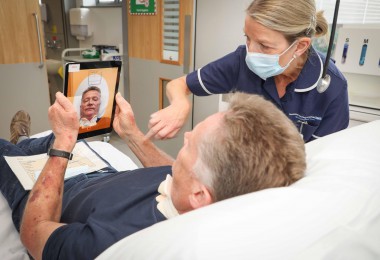
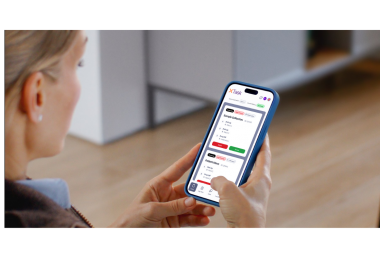
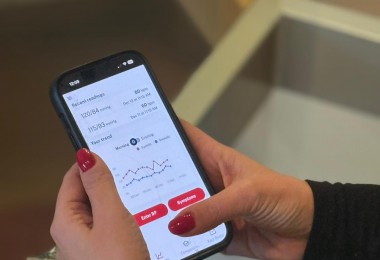
“In the first instance, there are initiatives including the expansion of Connect Me remote patient
monitoring, letting people safely track long-term health conditions from home, the rolling out of
digital theatre scheduling to boost hospital productivity by reducing downtime across key facilities,
and upgrading of NHS 24 clinical support systems.
“Then there is the deployment of a single cloud-hosted national GP IT system, not to mention
integration of Hospital Electronic Prescribing and Medicines Administration (HEPMA) across health
boards, and the expansion of patient access tools.
Communications and Engagement
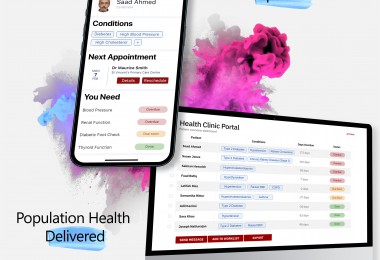
“However, perhaps key to the overarching strategy is the updating of a unified Community Health
Index (CHI) infrastructure – a foundational digital patient identification and population register
system, unlocking a whole new world of possibilities in cross-sector data sharing, linking health
records with broader initiatives like social work and local government data partnerships.
“If CHI continues to grow successfully, then it will help to support safer decision-making, improve
care coordination, and reduce unnecessary data duplication.”
InnoScot Health points to key Scottish success stories so far, including digital dermatology and its
role in reducing unnecessary referrals while achieving faster patient response times.
It also further notes that work is ongoing in the innovation and research space, allowing researchers
to access data insights through the fully digitised Research Data Scotland service.
Frances added: “The future of innovation-driven Scottish healthcare is undoubtedly being written
today.
“There is still much work to be done to improve interoperability between core clinical systems, and
clinical voices must inform that effort, but the fruits of long-term labours are now increasingly in
evidence with so much more to come.”